Unveiling the "Bulking Agent" in Meat Products: Non-Concentrated Protein
When shopping for sausages, meatballs, or luncheon meat, you may have noticed ingredients like soy protein or plant protein on the label. These terms often refer to a specific raw material known as non-concentrated protein—a cost-efficient ingredient widely used in the meat industry. Often called an “economical alternative” or “bulking agent,” it plays a strategic role in modern meat processing.
What Is Non-Concentrated Protein?
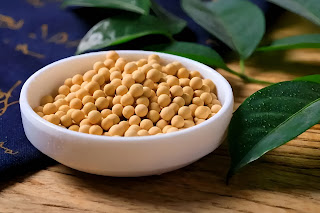
Non-concentrated protein is produced by grinding and screening defatted soybean meal, yielding a powder with about 65% protein content. Unlike protein concentrates or isolates, it does not undergo deep extraction or purification, which means it retains starches, polysaccharides, and other natural components found in soybean meal. You can think of it as a more refined version of high-protein soy flour that has undergone only basic processing.
Key Characteristics: Low Functionality Defines Its Role
In food science, “functionality” refers to a protein’s technical performance—such as solubility, emulsification, gelling ability, water absorption, and oil absorption.
- Protein concentrates and isolates (≥90% protein) are treated and modified to enhance these properties. They bind water, stabilize fat, and help create the elastic, juicy texture associated with high-quality meat products.
- Non-concentrated protein, by contrast, retains a relatively unmodified protein structure. Its emulsifying, gelling, and binding abilities are significantly weaker. It cannot build a strong gel network or provide the elasticity required for premium textures.
Because of this, non-concentrated protein is not suitable as the main functional protein in meat formulations.


评论
发表评论