博文

目前显示的是标签为“Soybean dietary fiber”的博文

The Role of Soy Fiber in Sauces

图片
Sauces play an indispensable role in our diet. Whether it is ketchup that adds color and flavor to dishes or meat sauce that gives dishes a unique flavor, they all add rich flavors to our dining tables with their unique charm. And soy fiber also plays a key role in these sauces, contributing to improving the quality and optimizing the taste of sauces. Thickening effect Soybean fiber can increase the viscosity of sauces, giving them an appropriate flowability and texture. For example, when making salad dressing, adding soy fiber enables the dressing to adhere better to the surface of vegetables. It won't be too thin and runny, thus enhancing the eating experience. In ketchup, it can also make the ketchup maintain a certain shape when squeezed out of the bottle and not quickly flow and deform. Improving taste Soy fiber can endow sauces with a rich taste. It can make the taste of the sauce more full-bodied and layered, avoiding a too single and plain taste. Take broad bean paste as an...

Soy Fiber: The Invisible 'Hero' in Canned Foods

图片
 Soybean fiber is mainly derived from by - products generated during the soybean processing, such as soybean dregs and soybean skins. These materials, which were originally likely to be regarded as waste, have transformed into soybean fiber with a variety of excellent properties after a series of complex and sophisticated extraction processes. Currently, there are diverse extraction methods for soybean fiber, mainly including physical methods, chemical methods, and biological methods. In the large family of canned foods, whether it is delicious meat cans or fresh fruit and vegetable cans, soybean fiber plays an indispensable and important role in improving the quality and enhancing the nutrition of canned foods. Magical effects of soybean fiber in canned foods Improving Texture and Taste Soybean fiber has unique gel properties and extremely excellent oil - holding and water - retaining capabilities, and this characteristic is demonstrated most vividly in canned meat products. When ...

Soy fiber: the hidden "master" of the food world

图片
Today we will dig deep into the star ingredient of the food industry - soy fiber, many people may be a little unfamiliar with it, but in fact, it has been quietly "lurking" in all aspects of our lives. Soy fiber, which is extracted from soybeans, is a high-quality dietary fiber. It is not an ordinary fiber, and has many unique characteristics. First of all, soy fiber has super water-holding capacity and swelling. In our intestines, it is like a super absorbent sponge, which can absorb a lot of water, make the feces soft, easily excreted from the body, and effectively prevent constipation, which can be called the intestinal "scavenger". Secondly, its chemical structure is stable, resistant to acid and alkali, resistant to digestive enzymes, can smoothly pass through our upper digestive tract, directly to the intestines to play a role, and almost no calorie production, very friendly to friends who control weight and blood sugar. Soy fiber is mainly used in canned food...

Eating more soybeans can balance dietary fiber

图片
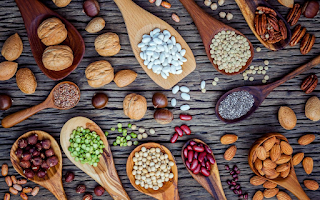
Dietary fiber is an important nutrient for maintaining human health, and legumes are an important source of dietary fiber. As a common legume food, soybeans are rich in dietary fiber, which is of great significance for balancing dietary structure and promoting intestinal health. The dietary fiber in soybeans is divided into two types: soluble fiber and insoluble fiber. Soluble fiber can help lower cholesterol, stabilize blood sugar, and prevent cardiovascular disease; insoluble fiber can help promote intestinal peristalsis and prevent constipation. The intake of soy dietary fiber is closely related to physical health. Research shows that the daily intake of dietary fiber for adults should reach 25-30 grams. Soybeans are rich in dietary fiber, with about 4.5 grams of dietary fiber per 100 grams of soybeans. Therefore, eating soybeans in moderation can effectively supplement dietary fiber. Soy dietary fiber can be consumed in various ways. In addition to eating soy products directly, suc...

Water-soluble dietary fiber and its application in food

图片
Overview of water-soluble dietary fiber Dietary fiber (DF) is usually considered to be a type of fiber that cannot be digested by human digestive enzymes. It is mainly composed of edible plant cell wall residues (cellulose, hemicellulose, lignin, etc.) and related substances associated with it. composed of compounds. According to its solubility, it can be divided into two types: water-soluble dietary fiber and insoluble dietary fiber. Common water-soluble dietary fibers mainly include: inulin, glucan, resistant starch, chitosan, oat beta-glucan, guar gum, sodium alginate, fungal polysaccharide, etc. Common foods include barley and soybeans. Foods such as greens, carrots, citrus, flax, oats and oat bran are rich in water-soluble fiber. In comparison, water-soluble dietary fiber has good processing properties and better physiological functions. In recent years, it has been used as a thickening agent, expanding agent, formulation aid and filler in food processing, and is widely used in lo...

The effects of soy fiber powder on the human body

图片
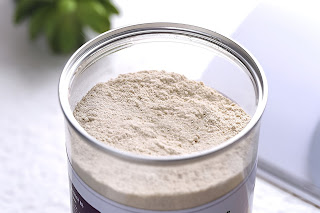
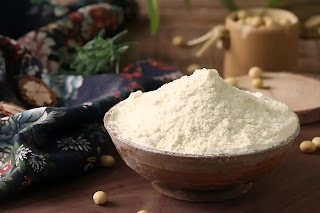
Soy fiber powder has the functions and functions of supplementing nutrition, promoting gastrointestinal motility, helping to improve constipation, assisting in weight loss, and helping to prevent cardiovascular and cerebrovascular diseases. However, it should be noted that soy fiber powder is a kind of food or food processing raw material and is not It has the therapeutic effect of medicine. Soy dietary fiber mainly includes cellulose, pectin, xylan, and mannitol. Although dietary fiber cannot provide any nutrients to the human body, it has important physiological functions for the human body. Dietary fiber can significantly reduce plasma cholesterol, regulate gastrointestinal function and insulin levels. Dietary fiber can also reduce certain hormones in the body, thereby preventing and treating breast cancer, uterine cancer, and prostate cancer, and slowing down the degeneration of adult teeth. 1. Supplement nutrition Soy fiber powder is mainly made from soybeans and is rich in protei...

Soybean dietary fiber has become a leader in dietary fiber

图片
The sources of dietary fiber are very extensive, and soybean dietary fiber is the leader in dietary fiber. Soybean dietary fiber is a high-quality natural dietary fiber, mainly referring to the general term of high molecular sugars in soybeans that cannot be digested by human digestive enzymes. It mainly includes cellulose, pectin, xylan, mannose, etc. Although dietary fiber cannot provide any nutrients for the human body, it can safely regulate the blood sugar level of the human body, prevent constipation, and increase satiety. At the same time, it has the physiological functions of preventing obesity, promoting the proliferation of bifidobacteria and aerobic bacteria, enhancing the function of macrophages, and improving disease resistance. In addition, soybean dietary fiber also has the characteristics of rich nutrition, unique flavor, safe and convenient consumption, etc., and is the best among dietary fibers. Soybean dietary fiber is a complex mixture, which can be divided into two...

Difference Between Soluble and Insoluble Dietary Fiber

图片
  Dietary fiber is an important part of a balanced diet. It is a carbohydrate that our bodies cannot digest like other carbohydrates. It is found in plant foods such as soy , legumes, fruits and vegetables. It is the edible part of the plant cell wall, resistant to digestion. There are two types of dietary fiber: soluble fiber and insoluble fiber. Both types are undigested, which means they are not broken down and absorbed into the bloodstream. They simply pass through the entire digestive tract without providing calories or energy. However, they can help you feel fuller after eating foods that contain fiber. According to recent research, both types of dietary fiber have health benefits and should be included in the diet. The recommended fiber intake for adults is 20-35 grams per day. Let's see how soluble fiber differs from insoluble fiber: S oluble fiber : Soluble fiber absorbs water from the stomach and intestines during digestion, forming a gel-like substance that slows digesti...

Soluble and insoluble dietary fiber in soybean fiber powder

图片
Soybean dietary fiber is a fiber product extracted from the cell wall of soybean seed leaves with the latest technology, and has multiple physiological functions. It can prevent obesity, colon cancer, hyperlipidemia, heart disease, and diabetes. It can also supplement soybean protein necessary for human health, and is called "the seventh nutrient for human body". Soybean dietary fiber is divided into water-soluble dietary fiber and water-insoluble dietary fiber. Water-insoluble dietary fiber has good water-holding and swelling power, adding it to food can increase the water content of the product and delay the aging of the product; it has good emulsifying, suspending and thickening properties, adding it to food and beverage can improve the food Water retention and shape retention, improve freeze and thaw stability. It can be widely used in meat products, quick-frozen food, spiced food, baked food, candy, beverage, rice noodle products, etc. and health care products. It can be...

Soy Dietary Fiber Nutrients

图片
Soybean dietary fiber mainly refers to the general term for high-molecular sugars in soybeans that cannot be digested by human digestive enzymes. It mainly includes cellulose, pectin, xylan, mannose, etc. Although dietary fiber cannot provide any nutrients for the human body, it can safely regulate the blood sugar level of the human body, prevent constipation, and increase satiety. At the same time, it has the physiological functions of preventing obesity, promoting the proliferation of bifidobacteria and aerobic bacteria, enhancing the function of macrophages, and improving disease resistance. Therefore, dietary fiber is recognized as the "seventh largest nutrient" by the medical and nutritional circles. The term dietary fiber did not appear in nutrition before 1970. According to the definition of "GBZ 21922-2008 Basic Terms of Food Nutrients", dietary fiber refers to the naturally occurring, extracted or synthetic fibers in plants. Polymers of carbohydrates, whose...

What is the fiber content of soy fiber powder?

图片
Dietary fiber refers to polysaccharides and lignin that cannot be decomposed by human enzymes. Dietary fiber is a variety of plant substances that are non-starch polysaccharides. Mainly derived from plant cell walls, including cellulose, lignin, wax, chitin, pectin, β -glucose, inulin and oligosaccharides. It is usually divided into two categories: water-soluble dietary fiber and water-insoluble dietary fiber. The fiber content of soybean dietary fiber powder produced by our company is ≥ 60%. Preparation process of soybean dietary fiber powder Soybean — pretreatment — phytic acid removal — starch removal — enzymolysis — protein removal — drying — crushing — sieving — dietary fiber powder. Click to enter the details pag

Physiological properties and uses of soy fiber

图片
Soy fiber is a 100% natural product, with a high content of dietary fiber derived from soy fruits. Soy fiber has a high water-binding capacity (1 ÷ 8-10) and is therefore well suited for use in the food industry. Soy fiber has found its application as a stabilizer and source of natural fiber in dairy and vegetable products. The versatility and physiological properties of soy fiber make it possible to widely use them in the meat processing industry as a water- and fat-binding agent. The product is usually added in combination with other additives such as soy protein, spice blends or processing aids. It is also possible to load fiber directly into the cutter at the stage of loading bulk components. Fiber serves to enrich food products with ballast substances, thereby reducing the calorie content of food, it is not fermented by microorganisms of the intestinal flora and is not broken down in the small intestine. In addition, fiber binds cholesterol and removes toxins from the body. Functi...

Five myths about fiber

图片
Fiber is considered to be the ballast of plant foods. On the one hand, it really is not absorbed into the blood, does not provide energy and does not contain nutrients. But at the same time, fiber affects the functioning of almost all systems and organs of our body. How so? Let's break down the most popular fiber myths and find out what its role in digestion and health is. What is fiber? Cellulose is called vegetable dietary fiber, which by its chemical affiliation is related to complex carbohydrates. In simple terms, dietary fiber is the cell walls of plants: fruits, vegetables, legumes, nuts, and grains.   In grains, fiber is found in the outer layers, which are removed during processing. Myth   1 : fiber is useless for the body This belief has caused many pathological health conditions to arise and flourish. Although fiber does not contain nutrients, it is a big mistake to underestimate it. Why is fiber useful? 1.  Fiber reduces hunger Upon entering the stomach, fiber ...

Dietary fiber is an important part of a healthy diet

图片
Dietary fiber is a large group of compounds that are not classified as food substances, but, as scientists have established, they should be an integral part of a person's daily diet. Why does the body need dietary fiber? Dietary fiber fills the stomach and thus contributes to a feeling of satiety, the release of digestive juices and increased absorption of food. They are also absolutely necessary for the normal functioning of the liver, gallbladder, pancreas, intestines, to prevent constipation, they are involved in the removal of many metabolic products from the body, such as cholesterol, as well as various poisons that enter the body with food and water - mercury, lead etc. Dietary fiber is a kind of "food" for beneficial intestinal microorganisms, they maintain the necessary composition of the microflora, without which the human body cannot exist normally. Insufficient content of dietary fiber in the diet is accompanied by functional disorders of the gastrointestinal t...

Want to know the health conditioning principle of soybean dietary fiber?

图片
  1.  Regulate blood lipids Soybean dietary fiber has the ability to bind and exchange cations, and can exchange ca2+, pa2+, etc. During the ion exchange, the instantaneous concentration of cations is changed to play a dilution role, so it affects the pH value, osmotic pressure and redox points of the digestive tract, forming an ideal buffer environment. 2.  Reduce cholesterol Soybean dietary fiber can exchange with NA+ in the intestines, and promote the elimination of a large amount of K+ and NA+ in urine and feces, thereby reducing the NA+/K+ value in the blood, and directly lowering blood pressure. Thus preventing high blood pressure, heart disease and arteriosclerosis. The excretion of cholesterol and cholic acid has a very close relationship with dietary fiber, and the water-soluble dietary fiber in soybean fiber can significantly reduce the blood cholesterol concentration. Click to enter the details pag

Production and Application of Multifunctional Soybean Dietary Fiber

图片
  1. Physiological functions of multifunctional soybean dietary fiber Soybean dietary fiber mainly refers to the general term for macromolecular sugars that cannot be digested by human digestive enzymes, mainly including cellulose, pectin, xylan and mannose. Although dietary fiber cannot provide any nutrients for the human body, it has important physiological functions for the human body. Dietary fiber can significantly reduce blood pressure and plasma cholesterol, regulate gastrointestinal function, blood sugar and insulin levels and other effects. The main components of Muhifunctional Soybean Fiber (MSF) are dietary fiber and protein, the content of which is 6 0 % (dry basis) and 20 % respectively, so it is a good protein-fiber additive. Studies have shown that adding a small amount of MSF has a good strengthening effect on medium-gluten or low-gluten flour; within a certain range of addition, it can not only increase the dietary fiber and protein content of the product, but also...

Food grade soybean dietary fiber application

图片
  Soybean dietary fiber mainly refers to the general term for macromolecular carbohydrates that cannot be digested and absorbed by human digestive enzymes, mainly including cellulose, pectin, xylan, mannose, etc. Although dietary fiber cannot provide any nutrients to the human body, it has important physiological functions for the human body. Dietary fiber has obvious functions of lowering blood pressure and plasma cholesterol, regulating gastrointestinal function, blood sugar and insulin levels. It is one of the best functional dietary fibers, far more than other synthetic fibers (such as Lizexin, polydextrose). 1.  Meat products (eg fish balls, meatballs, ham, hot dogs) Soybean dietary fiber has high water holding capacity, which is conducive to the formation of the tissue structure of the product to prevent syneresis. Adding it to meat products can make the aroma components in meat products aggregate without escaping, and can prevent starch from aging during cooling. It is ...

Application of soybean dietary fiber

图片
Application field of soybean dietary fiber: soybean dietary fiber can be widely used in meat products, quick-frozen food, seasoning food, baked food, candy, beverage, rice and flour products, etc. and health care products. 1. Application in baked goods. Such as high-fiber bread, biscuits, pastries and various flour products. 2. Application in high-fiber breakfast cereals. Such as high-fiber granular, flake, and puffed breakfast cereals. 3. Application in high-fiber snack food. 4. It is used in various sauce foods to thicken, increase weight and increase fiber. 5. It can be used in various health care products to play the role of health care and filler. 6. It can be used in various meat fillings, such as ham, luncheon meat, and various sausages. Dosage and use effect   Meat products (such as fish balls, meatballs, ham, hot dogs) 8~10% Soybean dietary fiber has high water holding capacity, which is conducive to the formation of the tissue structure of the product to shrink with water...

Soy Fiber: The Foundation of a Healthy Diet

图片
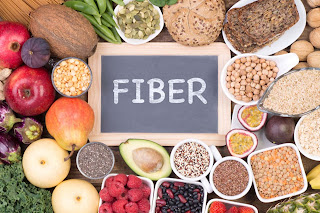
  Eat more soy dietary fiber. You may have heard of it before. But do you know why fiber is so good for your health? Predominantly found in fruits, vegetables, whole grains, and legumes, dietary fiber is probably best known for its ability to prevent or relieve constipation. But foods that contain fiber also have other health benefits, such as helping to maintain a healthy weight and reducing the risk of diabetes, heart disease and some cancers. It's not difficult to choose tasty foods that contain fiber. Find out how much fiber you need, what foods contain it, and how to add it to meals and snacks. What is the dietary fiber ? Dietary fiber, also known as whole grains or bulk fibrous material, includes the portion of plant foods that cannot be digested or absorbed by the body. Unlike other food components such as fat, protein or carbohydrates that the body can break down and absorb, fiber is not digested by the body. It passes relatively intact through the stomach, small intestine ...