The European Plant-Based Meat Market: A Consumer-Driven Protein Revolution
The European food market is undergoing a profound transformation. Once a niche choice for vegetarians or environmental pioneers, plant-based meat has rapidly taken over mainstream retail shelves, restaurant menus, and family tables. This is not merely market expansion, but a redefinition of protein sources, sustainable lifestyles, and the future of food in Europe. The rise of plant-based meat signifies that consumer demand is reshaping the food industry landscape.
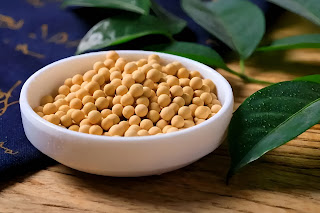
Plant-based meat uses plant proteins such as soybeans, peas, and wheat as its main raw materials, employing advanced food processing technology to simulate the taste, texture, and even flavor of animal meat. Early plant-based meat products were often criticized for their dry texture and limited flavor, but today, technological innovation has enabled a qualitative leap. For example, by adding heme, plant-based burgers "bleed" during cooking, highly replicating the visual and taste experience of beef; plant-based sausages sizzle during frying using a special fat formula, releasing an enticing aroma; and plant-based fish fillets can even mimic the flaky texture and ocean flavor of fish, satisfying consumers' diverse protein needs.
The rise of plant-based meat is inseparable from a shift in consumer awareness. In Europe, more and more people are paying attention to the impact of diet on health, climate change, and animal welfare. Countries like Germany, the UK, and the Netherlands are leading this trend. Europeans are gradually reducing their red meat intake and seeking more balanced and easily digestible protein sources. Plant-based meat is typically low in saturated fat, high in protein, and cholesterol-free, aligning with modern people's pursuit of healthy eating. Furthermore, the production process of plant-based meat avoids the use of antibiotics and hormones, further enhancing consumer trust.


评论
发表评论