Plant-Based Nutrition in Microvascular Recovery
A groundbreaking study in cardiovascular health has brought new hope to countless patients. A study led by Georgia State University reveals that a diet centered on whole plant-based foods can not only prevent but may even reverse a challenging heart condition—coronary microvascular dysfunction (CMD). This discovery elevates the role of nutritional intervention to unprecedented levels, signifying that we may be able to use the power of our plates to repair damaged cardiac microcirculation.

Coronary Microvascular Dysfunction
Coronary microvascular dysfunction (CMD) is known as the heart's "silent killer." It doesn't occur in the major coronary arteries, but rather damages the tiny arteries within the heart, causing them to lose their ability to regulate blood flow. As a result, even when the major vessels appear "normal," the heart muscle suffers from persistent hypoxia due to insufficient blood supply, leading to persistent chest pain.
This disease particularly affects women, and female patients have a significantly higher hospitalization rate after diagnosis than men. While hypertension is a major contributing factor, traditional antihypertensive treatments offer limited symptom improvement for many patients, highlighting the urgent need to develop non-pharmacological therapies.
How Plant-Based Diets Create Miracles
To verify the efficacy of plant-based diets, the research team used a spontaneously hypertensive female rat model that highly mimicked human disease. The experimental design was highly compelling:
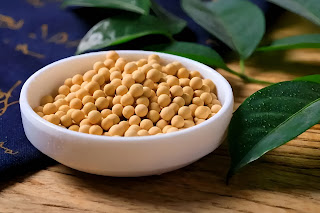
- Prevention Group: Started on a plant-based diet rich in fruits, vegetables, legumes, and nuts.
- Treatment Group: Switched to a plant-based diet after the disease had fully developed.
- Control Group: Used to assess the impact of other variables (such as gut microbiota).


评论
发表评论