New Plant-Based Milk Options: From Soy to Almond, How to Choose the Perfect One for You?
Walk into the beverage section of a supermarket, and you'll find the plant-based milk shelves increasingly abundant, from classic soy milk to emerging oat milk and almond milk—the choices are dazzling. With more and more people focusing on health, environmental protection, or food allergies, the plant-based milk market is growing at an unprecedented rate. But which plant-based milk is the healthiest? How do you choose the right one for you from so many options? Today, we'll delve into the world of plant-based milk, focusing specifically on soy beverages with outstanding nutritional value.
The popularity of plant-based milk is no accident. Besides being suitable for lactose intolerant individuals and vegetarians, a growing body of research suggests that moderate substitution of animal milk with plant-based milk may be beneficial for heart health. According to a 2020 study published in the *American Journal of Clinical Nutrition*, replacing some animal protein with plant protein can reduce the risk of cardiovascular disease.
Soy Beverages: The "Nutritional All-Star" Among Plant-Based Milks
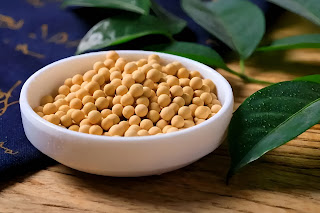
Among the many plant-based milks, soy beverages are recognized by nutritionists as a leader, offering a nutritional profile closest to that of animal milk.

Key advantages of soy drinks:
- Complete protein source: Soybeans contain all nine essential amino acids, which is very rare in plant-based foods. Each cup (240 ml) of soy milk contains approximately 7-9 grams of protein, comparable to cow's milk.
- Heart-healthy: Naturally contains isoflavones, and studies have shown that moderate intake may help lower LDL cholesterol levels.
- Bone-friendly: Many soy drinks are fortified with calcium and vitamin D; some products contain up to 300 mg of calcium per cup, equivalent to 30% of the recommended daily intake.
Low in saturated fat: Naturally low in saturated fat, beneficial for cardiovascular health.
How to Choose a High-Quality Soy Drink:
- Choose "no added sugar" or "low sugar" versions.
- Prioritize products fortified with calcium and vitamin D.
- Check the ingredient list and choose products with high soy content and few additives.
- Organic certified products reduce concerns about pesticide residues.

评论
发表评论