Understanding Soy Protein Ingredients: The Science and Application of SPC and SPI
In today's health-conscious world, "Isolated Soy Protein" and "soy protein concentrate" are common sightings on ingredient labels. More than just protein additives, they represent a smart application of food technology, offering efficient ways to enhance nutritional value. Derived from the humble soybean, these two distinct ingredients are reshaping modern diets through targeted nutrition.
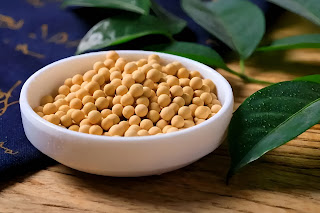
Their efficiency stems from advanced processing. While soybeans are a traditional source of plant protein, modern methods transform them into precise nutritional components through "isolation" and "concentration."
Soy Protein Concentrate is produced through a gentler extraction. It starts with defatted soybean meal, from which soluble carbohydrates, minerals, and other non-protein components are partially removed. This raises the protein content from around 50% in the raw material to at least 65%. The mild process preserves much of the protein's native structure and retains beneficial compounds like dietary fiber and isoflavones. As a result, SPC delivers not only protein but also additional nutritional benefits. Its texture and flavor remain closer to whole soy, making it ideal for improving moisture retention and texture in meat products, baked goods, and various everyday foods.
Isolated Soy Protein, in contrast, undergoes more extensive refinement. Through steps like alkaline extraction, acid precipitation, washing, and spray drying, nearly all non-protein elements are removed. The result is a highly purified powder with a protein content exceeding 90%. SPI is the essence of soy protein—nearly pure protein with a neutral color, mild flavor, and high digestibility. This purity makes it the preferred choice for applications demanding high protein density and clean labels, such as premium sports nutrition powders, infant formula, clinical nutrition products, and clear beverages.


评论
发表评论