Classification of Textured Soy Protein: 50-65-68% and Sizes
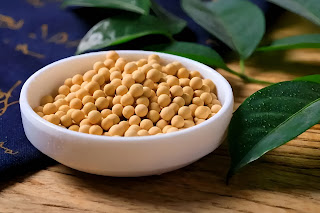
Textured Soy Protein is a plant-based protein product produced from defatted soy meal through an extrusion and expansion process. It possesses a fibrous structure and chewiness similar to meat; being low in cost and cholesterol-free, it serves as a common "plant-based meat" base ingredient within the food industry.
However, many people are unaware that it is not a monolithic product—variations in protein content and particle size determine its suitability for vastly different application scenarios.
Classified by Protein Content: From Filling to Fortification
50% Protein Content — General-Purpose, Economical Grade
This is the most widely used standard product. It features a moderate fibrous structure; once rehydrated, its texture closely resembles minced meat, offering a balance between elasticity and cost-effectiveness.
Common Applications: Frozen dumplings, bun fillings (replacing 20–30% of the pork content), canned luncheon meat, and meatballs. Its primary function is to reduce costs while maintaining a fundamental meat-like mouthfeel.
65% Protein Content — Balanced Performance Grade
With a higher protein level and denser fibers, this grade offers significantly enhanced elasticity and chewiness upon rehydration.
It is suitable for mid-to-high-end plant-based meat products, such as plant-based burger patties, vegetarian sausages, and ready-to-eat vegetarian meat snacks. This grade strikes an excellent balance between cost and texture, making it the primary specification currently favored by leading plant-based meat brands.


评论
发表评论